
FinCEN Makes Final BOI Reporting Rule
By: Anthony R. Jost, Ryan L. Leitch, Katie S. Riles, Raymond S. Seach, Blair R. Vandivier
FinCEN Makes Beneficial Ownership Reporting Exemption Permanent for U.S. Businesses
After more than two years of changing deadlines, nationwide injunctions, constitutional challenges, compliance uncertainties, and regulatory changes, the Corporate Transparency Act (“CTA”) beneficial ownership information (“BOI”) reporting saga appears to have reached its conclusion for U.S. businesses.
On August 11, 2026, the U.S. Department of the Treasury’s Financial Crimes Enforcement Network (“FinCEN”), issued a final rule permanently eliminating the BOI reporting requirement for domestic companies and U.S. persons. This rule makes permanent the relief FinCEN first implemented through its March 2025 interim final rule and provides additional exemptions intended to reduce compliance obligations for U.S. businesses and individuals.
The final rule makes it clear that neither a U.S. person nor an entity formed or created under the laws of the United States, is required to provide BOI to FinCEN. Furthermore, even if the U.S. person holds a BOI in a foreign entity that is subject to reporting, the U.S. person is not required to provide BOI nor is the foreign entity required to report to FinCEN the BOI of any U.S. person.
As Riley Bennett Egloff has reported throughout the CTA’s implementation and subsequent legal and regulatory developments, BOI reporting requirements have evolved significantly since the CTA’s reporting regime initially took effect in January 2024.
What the Final Rule Does
The final rule, effective upon publication in the Federal Register, permanently narrows the CTA’s reporting requirements by removing the reporting requirements relating to U.S. persons and entities formed under the laws of the United States by limiting the BOI reporting obligations to certain foreign entities registered to do business in the United States.
Key takeaways from the changes FinCEN announced, under the final rule include:
- The exemptions created in the interim rule are adopted, such that entities created in the United States are exempt from BOI reporting requirements.
- U.S. persons are not required to report BOI to FinCEN.
- U.S. persons who obtained FinCEN identifiers are not required to update or correct information previously submitted to obtain those identifiers. Persons who are not U.S. persons continue to be required to report and update such information.
- Certain foreign entities registered to do business in the United States remain subject to BOI reporting requirements, although they are not required to report information regarding any U.S. person who is a beneficial owner or company applicant. Company applicants for foreign entities who are U.S. persons are not required to report their information to FinCEN.
What This Means for U.S. Businesses
For most U.S. businesses, the practical result is straightforward: domestic entities are no longer required to file or update BOI reports or monitor and report future ownership and management changes to FinCEN.
This final rule also removes the remaining uncertainty following FinCEN’s March 2025 interim final rule. Domestic entities that previously filed BOI reports do not need to update those reports as ownership, management, addresses, or other previously reported information changes. FinCEN has also announced that BOI or other information previously reported to it by U.S. persons will be deleted from its database, subject to coordination with the National Archives and Records Administration and applicable federal records requirements.
Foreign entities registered to do business in the United States should continue to evaluate whether they qualify as reporting companies under the CTA and, if so, whether an exemption applies.
Riley Bennett Egloff’s attorneys have followed the CTA from its initial implementation through its numerous court challenges and regulatory changes. With FinCEN’s issuance of the final rule, U.S. businesses now have a definitive answer regarding their BOI reporting obligations.
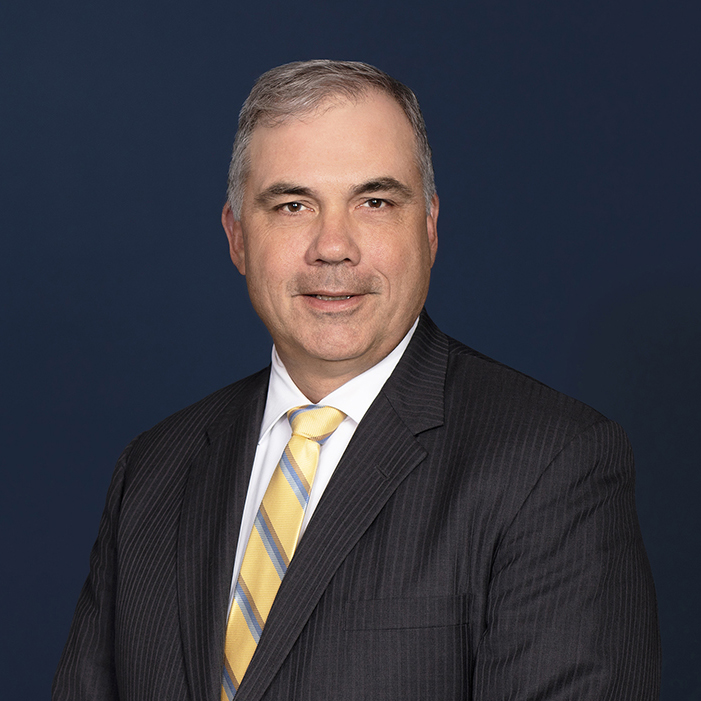
Anthony R. Jost, Partner
Tony Jost represents clients in various aspects of business, and civil litigation, including commercial, real estate, employment, and complex tort litigation in both federal and state court.
He counsels clients in commercial lease drafting, negotiation and enforcement, and real estate and business acquisition and financing. Tony further advises clients as to proper selection and formation of business entities, lender documentation, franchising, state and federal business regulatory matters, and general contractual matters.
Tony represents creditors in all formal bankruptcy proceedings in federal court, provides workout answers and advice on behalf of creditors, prosecutes collection claims, and defends creditors in various aspects, including but not limited to fraudulent conveyance and preference claims.
He provides answers, advice and advocacy in all aspects of business, commercial and litigation affairs with specific emphasis on the finance, health care, governmental, construction, transportation, and telecommunications sectors.

Ryan L. Leitch, Partner
Ryan Leitch is an AV preeminent rated attorney who represents businesses and business owners including those in manufacturing, retail, distributors, software and technology, construction, landscaping and lawn care, sales, complex creditor’s rights, and other service industries in numerous business matters.
The variety of business matters includes: the sale, acquisition, merger and other related transactions, entity selection and organization, employment, loan transactions, contracts and agreements, disputes among shareholders/members, and business succession planning to assist owners in transferring/selling their business ownership to family members, employees, or outside purchasers.
Ryan also represents: individuals in estate and succession planning, including preparation of Wills, Trusts, Power of Attorney and health care designations; Pre-Nuptial/Pre-Marital agreements; and probate and administration of Wills and Trusts.

Katie S. Riles, Partner
Katie Riles has extensive experience in business and real estate law, as well as probate matters. She provides practical, results-driven counsel to individuals, businesses, and organizations across diverse industries, navigating both complex and straightforward transactions and other legal challenges.
Katie’s holistic approach to legal services blends deep knowledge with a focus on client-specific solutions, ensuring effective outcomes and long-term client success.
Business Law
Katie advises on business formation, guiding clients in entity selection and structuring. She drafts and negotiates key governance documents, including operating agreements, bylaws, and shareholder agreements. As outside general counsel, she supports businesses with ownership transitions, employment agreements, and business succession planning.
Real Estate Law
Katie regularly assists with commercial and residential real estate transactions, including drafting purchase agreements, conducting due diligence, and reviewing title documents. She also works with landlords and tenants on lease negotiations and drafting for commercial and industrial properties.
Probate Matters
Katie helps individuals and families with estate administration matters, guiding personal representatives through the probate process.

Raymond T. Search, Partner
Ray Seach is an AV-Rated attorney focusing on litigation and transactions involving products, premises, environmental, aviation, shareholders, contracts, financing, and insurance matters. He has significant jury trial experience representing local, regional, and national companies. Ray has also litigated appeals to the Indiana Court of Appeals, and has argued before the Seventh Circuit Court of Appeals.
Ray also represents companies and their owners with business formation, shareholder agreements, financing, acquisitions, leasing, franchising, and shareholder disputes. Through his work as a Certified Public Accountant before attending Indiana University’s Maurer School of Law, Ray gained experience with auditing entities and their financial statements, which provides a strong foundation for his work as a litigation and business lawyer.

Blair R. Vandivier, Of Counsel
Blair Vandivier is a business lawyer who is also the owner and operator of successful small and mid-sized businesses. In addition to operating these businesses, Blair serves as outside counsel to a number of similarly sized entities. Blair brings a unique perspective to the role of the lawyer as a result of spending a significant amount of his time in the shoes of the business owner and manager.
Blair provides general business counsel to his clients in the manufacturing, service, and construction industries on such issues as the choice and formation of the entity, relationships of the equity owners, financing the growth and maintenance of the enterprise, acquisition and divestiture, real estate sales and leasing, as well as numerous related matters.
© Riley Bennett Egloff LLP
Disclaimer: Article is made available for educational purposes only and is not intended as legal advice. If you have questions about any matters in this article, please get in touch with the author directly.
Permissions: You are permitted to reproduce this material in any format, provided that you do not alter the content in any way and do not charge a fee beyond the cost of reproduction. Please include the following statement on any distributed copy: “By Anthony R. Jost, Ryan L. Leitch, Katie S. Riles, Raymond T. Seach, and Blair R. Vandivier © Riley Bennett Egloff LLP – Indianapolis, Indiana. www.rbelaw.com”
Posted August 13, 2026, by Anthony R. Jost, Ryan L. Leitch, Katie S. Riles, Raymond T. Seach, and Blair R. Vandivier.